
Scooter and Motorbike Type Guides for Hanoi
Compare scooter and motorbike types for your Hanoi trip. Check familiar controls, stationary fit, luggage, vehicle details and rental conditions.
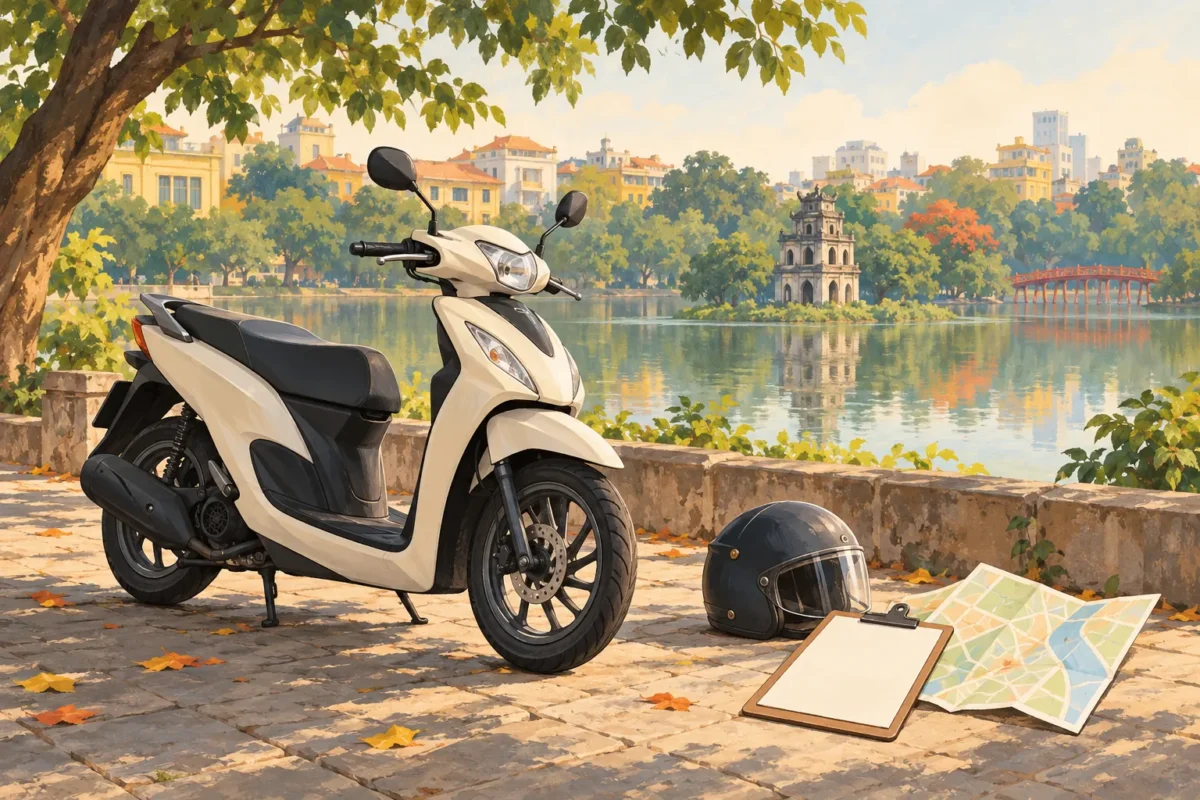
Choose a rental bike by matching familiar controls, stationary fit and the intended journey to the actual vehicle available. An automatic scooter, a small-engine bike and a larger motorcycle can involve different controls and practical demands. A model name or an attractive picture cannot replace checking the bike you will receive.
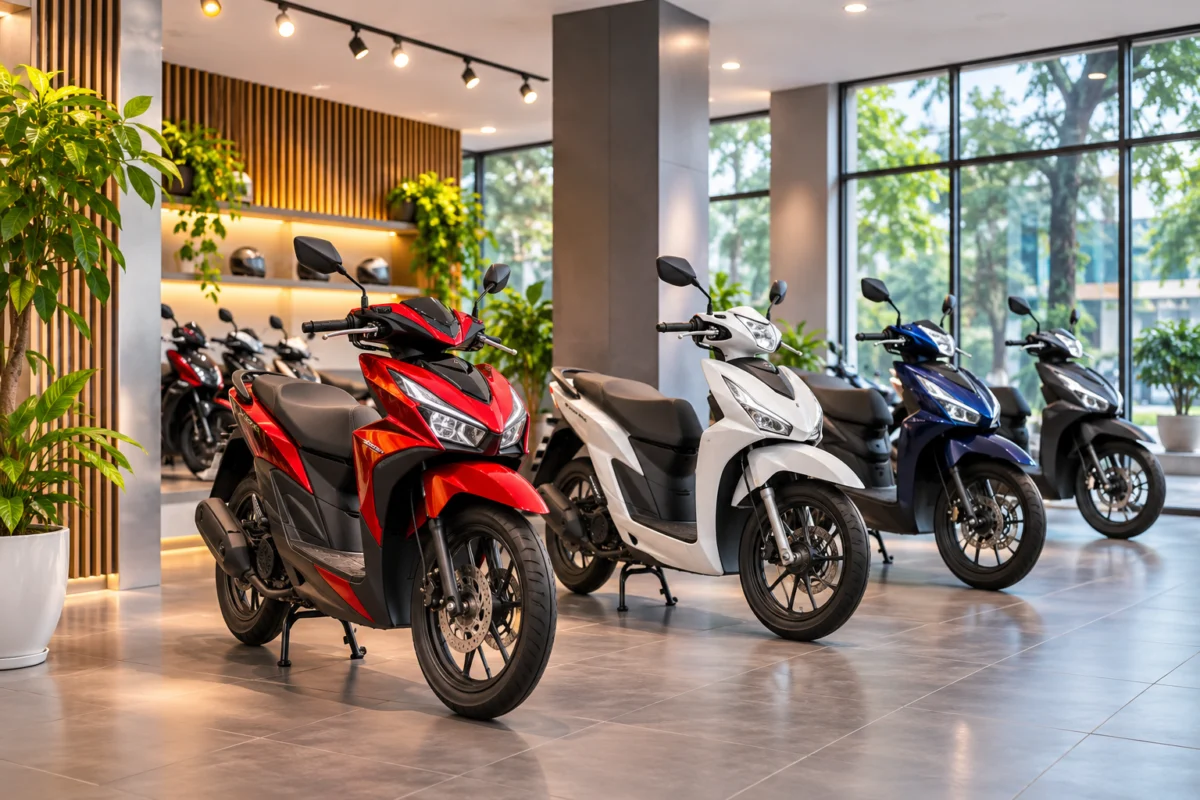
This collection helps you compare vehicle types before asking about stock. Use the fleet inquiry page for a HANOI MOTO availability request. No illustration or comparison here establishes that a particular model is currently offered or reserved.
Choose a vehicle guide
| Topic | Start here | Main decision |
|---|---|---|
| Automatic controls | Automatic scooter guides | Can you comfortably manage the actual controls and parked bike? |
| A bike described as 50cc | 50cc motorbike guides | What does the actual vehicle documentation establish? |
| Different models or control types | Model and motorbike comparisons | Which differences matter to your route and experience? |
Start with the control type you already understand
Tell the operator what you normally ride and which controls you are familiar with. Automatic scooters generally remove routine manual gear selection. Semi-automatic and manual motorcycles use different arrangements that you need to identify on the actual bike. Engine capacity alone does not tell you how the controls work.
Ask for a stationary explanation of the throttle, brakes, switches, starting process and parking arrangements before accepting the vehicle. Control locations and starting requirements can vary. If the response is unclear, ask for the relevant vehicle instructions rather than guessing from another model.
Familiarity with a bicycle, car or different motorcycle should not be treated as proof that a new control layout will feel natural. Hanoi travel plans should allow room to choose another transport option when your skills or confidence do not fit the ride.
Check stationary fit before discussing accessories
With the bike secured and the operator present, assess whether you can reach the controls, hold a stable parked position and move the bike by hand. Consider your usual footwear and the luggage you expect to carry. Ask for help if the bike feels difficult to balance or maneuver.
Reach to the ground is one part of the assessment. Seat shape, width, handlebar position, brake-lever reach and the effort of parking also affect comfort. A published seat-height figure cannot describe all of those details for an individual rider.
Check ordinary tasks you will repeat: moving the bike out of parking, accessing the fuel or charging point, using the lock and storing the equipment. A bike that is awkward while stationary may be inconvenient every day even if a specification table looks suitable.
Compare types without turning labels into promises
| Description | Check on the actual bike | Avoid assuming |
|---|---|---|
| Automatic scooter | Throttle, brakes, start procedure, fit and parking weight | That automatic controls remove the need for riding skill |
| Semi-automatic bike | Gear operation, brake arrangement and familiar handling tasks | That every model has the same control layout |
| Manual motorcycle | Clutch and gear familiarity, fit and intended use | That a bigger engine makes an unfamiliar bike suitable |
| 50cc or electric vehicle | Registration details, classification and model-specific instructions | That a marketing label settles entitlement or insurance |
For legal entitlement, use the current rules that apply to your documents and the registered vehicle. Ask your insurer about your circumstances separately. Neither physical fit nor a rental company’s acceptance resolves those questions.
Match the vehicle to the complete journey
Describe city errands, commuting or a proposed journey beyond Hanoi before requesting a model. Include passengers, luggage and any practical limitations. Ask the operator whether the planned use is permitted and suitable for the allocated vehicle.
A short solo errand and a loaded journey are different requests. Ask for the vehicle’s applicable load and luggage guidance rather than estimating from the apparent size of the seat. Do not plan to carry items where they interfere with steering, controls or your ability to handle the bike.
If the trip changes, review the choice again. A vehicle selected for one pattern of city use should not automatically be treated as approved for another route. Weather, fatigue, unfamiliar roads and the return deadline can also change whether riding fits the day.
Ask about storage and security in practical terms
Check whether your own equipment fits where you expect it to go. Storage space shown in a photograph may not fit the helmet, bag or device you use. Ask which locks or other items are included, and confirm any separate charge before relying on them.
Learn the seat latch, fuel access and key or remote process while the operator is available. Keep spare keys or remote instructions only as agreed. If a switch, latch or lock is difficult to operate, resolve the issue at collection instead of forcing it later.
Plan parking at your accommodation and routine destinations. Ask about access, storage rules and who is responsible for the bike during parking. A rental arrangement does not itself reserve a parking place at a hotel, office or attraction.
Identify the exact vehicle at handover
Compare the allocated bike with the written agreement. Record the identifiers supplied by the operator and take clear condition photographs with permission. Note visible marks and any equipment supplied. Keep the record organized so the same items can be reviewed at return.
Ask about the vehicle’s relevant instructions, maintenance arrangement and fault-reporting process. Raise a safety concern before accepting the handover. If an issue appears later, stop using the bike when it is unsafe and contact the operator rather than attempting an unfamiliar repair.
Use the pre-ride inspection checklist to organize observations. An inspection checklist supports a careful handover. It is not a mechanical certification and cannot guarantee that a vehicle is free of defects.
Make a short list using the decisions that matter
Compare two or three actual options only after availability is known. For each, record familiar controls, stationary comfort, passenger or luggage suitability, permitted use, the full-term quote and maintenance arrangements. Mark unresolved points before choosing.
If every option leaves an important issue unresolved, change the transport plan. There is no need to commit to a bike merely because it has been discussed or because other travelers recommend a model. The final choice needs to work for your rider, journey and agreement.
Read the supporting articles
- Choosing a rental bike: fit, controls and route: turn your journey into a practical vehicle request.
- Automatic scooter fit and control checklist: prepare the stationary checks.
- 50cc vehicle classification and practical limits: identify the questions that a small-engine label leaves open.
- Automatic versus semi-automatic bikes: compare control tasks and trip requirements.
After identifying a suitable option, use the cost collection to compare complete quotes and the rental and riding collection to prepare documents and collection checks.
Frequently asked questions
Is an automatic scooter the easiest choice for everyone?
Assess the actual bike and your experience. Automatic gear operation simplifies one task, while balance, braking, observation, parking and traffic judgment still require skill.
Can I choose a bike using seat height alone?
Include seat width, control reach, balance and the effort of moving the parked bike. A stationary check gives information that one specification cannot provide.
Does a 50cc label confirm that I can ride without a license?
Check the registered vehicle classification and current rules for your circumstances. Do not decide entitlement or insurance from the label on an advertisement.
Do the pictures show HANOI MOTO stock?
The editorial illustration is AI-generated. Current vehicle availability and the exact allocated bike require confirmation from HANOI MOTO.
Prepare a fleet inquiry
Describe your experience, preferred controls, dates, route, passenger and luggage requirements. Use the fleet inquiry checklist to request actual options before deciding which model to rent.
Illustration: AI-generated editorial artwork. It does not document HANOI MOTO premises or current fleet.
Return to all Hanoi motorbike rental guides
Latest articles in this collection
- Centerstand, Sidestand and Ramps: Parking an Automatic Scooter Without Dropping It
- Electric Bicycles (Xe Dap Dien) in Hanoi: Helmet, License and Where They Can Go
- Honda Click vs Honda Vision: Which Hanoi Rental Scooter Suits You?
- Under-Seat Storage by Model: What Fits in a Honda Vision, Air Blade or Click
- A 50cc Scooter Day Plan in Hanoi: What You Can Reach, What to Skip and Where Speed Limits Bite
- Common Motorbike Brands and Models in Vietnam: What You Will See on Hanoi Streets
- How to Refuel a Scooter in Hanoi: Seat Release, Fuel Cap, Petrol Stations and Roadside Sellers
- Honda Wave vs Vision vs Air Blade vs Click: Rental Fleet Specs Side by Side
- VinFast Electric Scooters in Hanoi: Evo, Feliz and Klara Range, License Class and Charging
- Can a 16 or 17 Year Old Rent and Ride a 50cc Scooter in Vietnam? A Parent and Teen Guide
- Scooter Will Not Start? Quick Checks for Automatic Rental Scooters Before You Call the Shop
- Scooter Dashboard Warning Lights and Gauges Explained for Honda and Yamaha Rentals